The Importance of Range in a Professional Portfolio
In the competitive world of modeling and professional photography, versatility is your greatest asset. Agents and casting directors aren't just looking for a pretty face; they are looking for a canvas that can adapt to different brand identities. A portfolio that only shows one mood or one style of lighting limits your booking potential. To truly succeed, your book needs to demonstrate that you can pivot from high-fashion editorial intensity to warm, approachable commercial vibes seamlessly.
Building a versatile portfolio requires intentional planning. You need to curate a selection of images that speak to different sectors of the industry: beauty, fashion, and lifestyle/commercial. Each of these requires a different energy, wardrobe, and technique. By showing range, you prove to agents that you are a reliable professional who can handle any brief thrown your way.
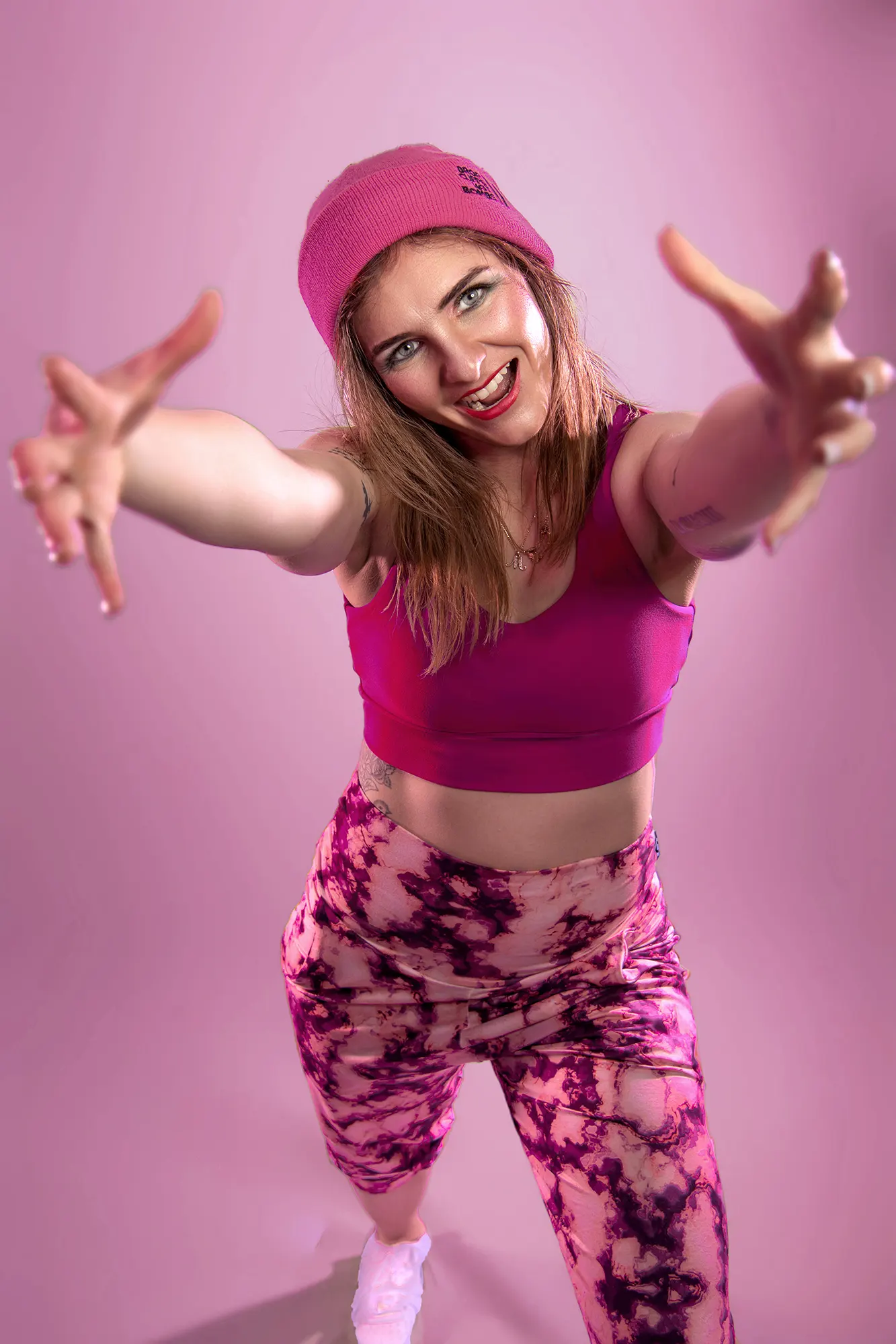
Commercial Appeal: The Power of a Smile
Commercial photography is all about relatability and connection. Brands in this space—think lifestyle products, fitness gear, or healthcare—want to see someone who looks approachable and trustworthy. This is where your "smiley" shots come into play. A genuine, warm smile suggests to a client that their audience will feel a positive connection to their product through you.
Focus on movement: Static poses can feel stiff in commercial shots. Try walking, reaching, or laughing to create a candid feel.
Keep it bright: Clean, high-key lighting is often the standard for commercial work, emphasizing clarity and positivity.
Wardrobe choices: Simple, everyday clothing like knitwear, athletic gear, or casual denim helps sell the "real person" aesthetic.
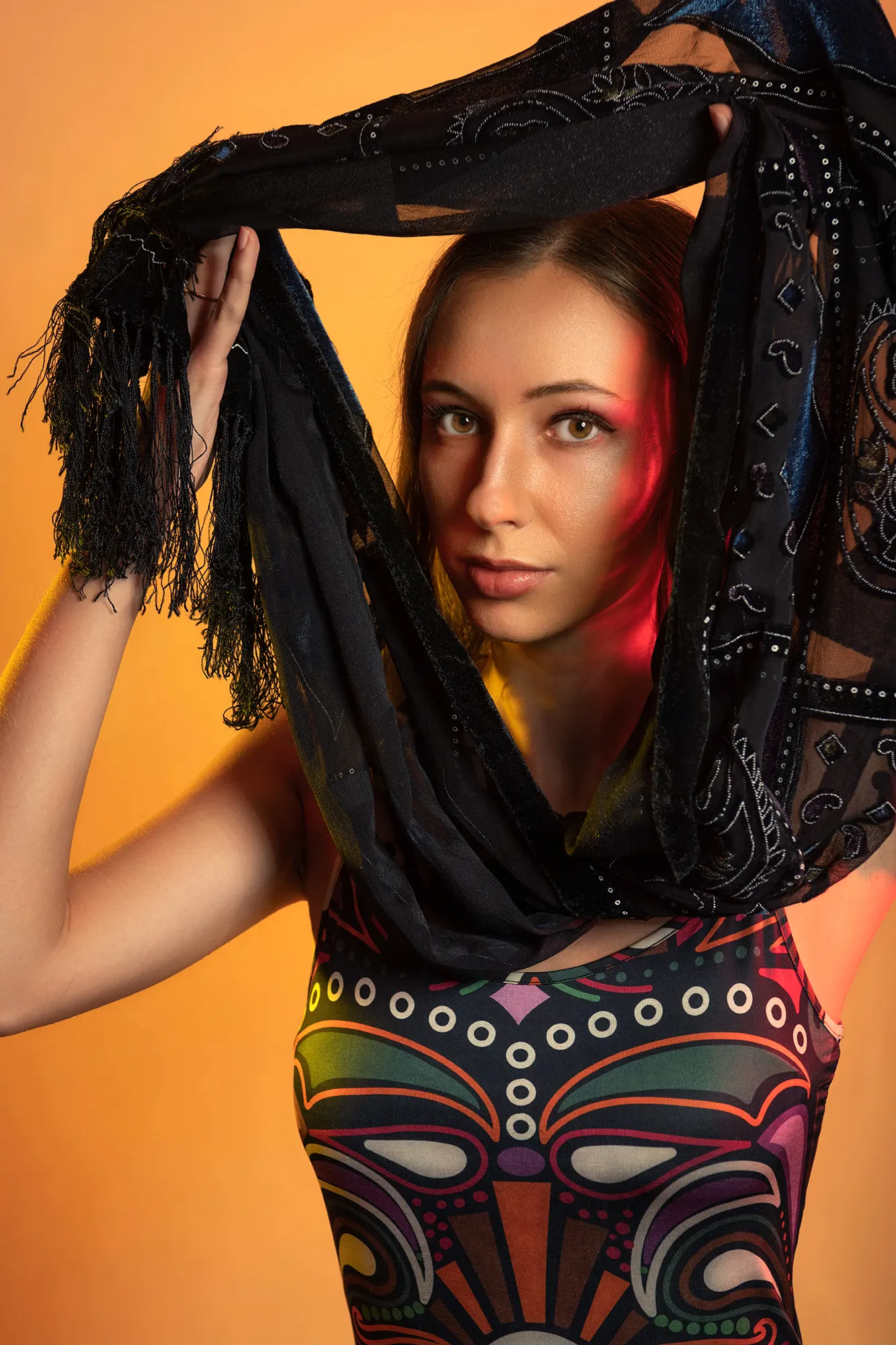
Editorial and High Fashion: Mastering the Mood
Contrasting the commercial look, editorial and high-fashion photography demands a level of drama and storytelling. Here, the focus shifts from the person to the "look" or the concept. Agents look for your ability to hold a strong gaze, manage complex posing, and work with dramatic shadows. This is where you show your "edge."
Effective editorial shots often involve unique lighting setups and bold makeup. It’s less about being "pretty" and more about being striking. Using silhouettes, unconventional angles, and high-contrast lighting can help showcase your bone structure and your ability to carry high-end designer concepts.
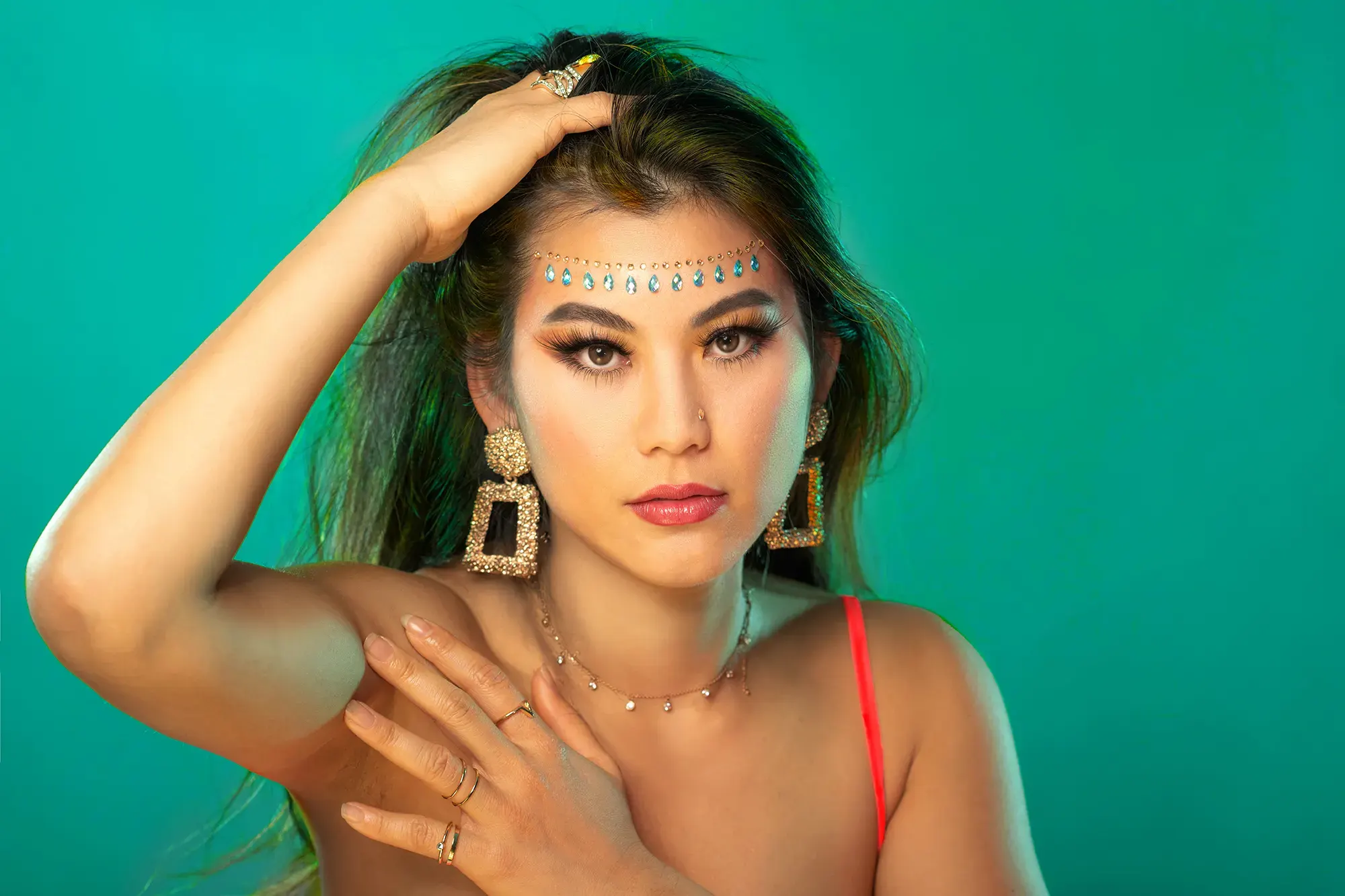
Beauty Shots: It's All in the Details
Beauty photography is a niche that focuses intensely on the face, skin, hair, and jewelry. For these shots, your expressions must be subtle yet captivating. A great beauty image in your portfolio shows makeup artists and cosmetic brands that you can model products effectively without the distraction of a full-body pose.
"A versatile portfolio is like a visual resume; it tells the story of what you are capable of becoming for a client."
When shooting for beauty, skin texture and lighting precision are paramount. These images should be clean and crisp, highlighting specific features like the eyes, lips, or hair. Showing that you can maintain a "neutral but engaged" expression is key to booking luxury beauty gigs.
How to Present Your Range to Agents
Once you have captured these diverse looks, the way you organize them in your portfolio matters. Don't clump all the commercial shots together and all the fashion shots at the end. Instead, create a flow that keeps the viewer engaged. Start with your strongest, most striking image to grab attention, and intersperse different moods to show how quickly you can transform. A well-rounded book tells an agent that you are ready for a high-fashion runway one day and a commercial catalog shoot the next.